
Cyber-Bullying
-

The Right to Hate? How Online Abuse Silences Public Discourse
OHPI recently concluded an advanced training program for a cohort of volunteers who developed public briefings about various forms of online hate. These briefings were shared via OHPI’s Facebook and LinkedIn pages and received significant engagement. While many people responded positively through likes, shares, and affirming comments, others reacted with negativity, including laugh reactions and…
-
Report Spastic Ballet YouTube Video
In this briefing, we highlight the YouTube video “Spastic ballet” that has been online since August 20, 2009. It has been viewed more than 238,000 times and has received over a 1000 thumbs up (as against 290 thumbs down). The video has two men, who suffer from Cerebral Palsy, doing ballet. While it is unclear…
-
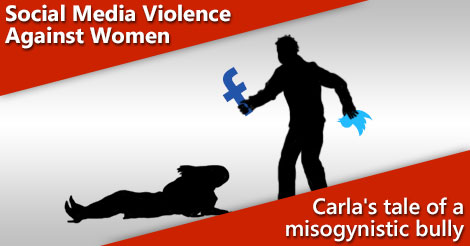
Social Media Violence Against Women: Carla’s tale of a misogynistic bully
When people speak of bullying, all too often the conversation is limited to young people and schools. Yes, children and young adults do face bullying both in school and online, but they aren’t the only victims of cyber-bullying. Work place bullying is also a serious issue and can occur both at work and after hours…
-

Where do trolls come from and how do we stop their cyberbullying?
The Online Hate Prevention Institute has been fielding a number of media questions about online trolling and abuse in recent days. We’ve discussed the issue on radio this week with 3AW’s Tom Elliott and K-Rock’s Hunter McLeod. There are number of types of online trolling we deal with at the Online Hate Prevention Institute and…
-
Bigots target OHPI
The page “Left Wing Bigots and Extremists exposed” (460474917459804) says its purpose is to “expose the violent left wing bigots and people that support them”. The page is used to coordinate raids on anti-racism Facebook pages and groups as well as on government endorsed charities working in this space. An hour ago the Online Hate Prevention…
-
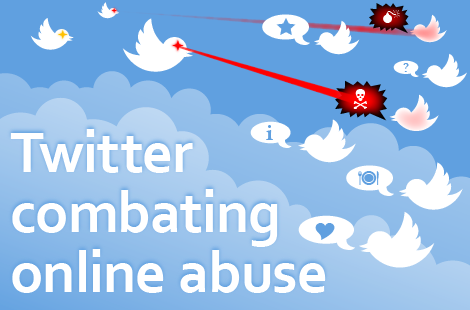
Steps taken by Twitter to combat abuse
Since early this year, Twitter has been on a mission to finally tackle the horrendous abuse and harassment that the platform has become infamous for. Ever since its CEO admitted in a leaked memo that the company “sucks” at dealing with abuse, it has made a slew of changes in the way the platform operates…
-
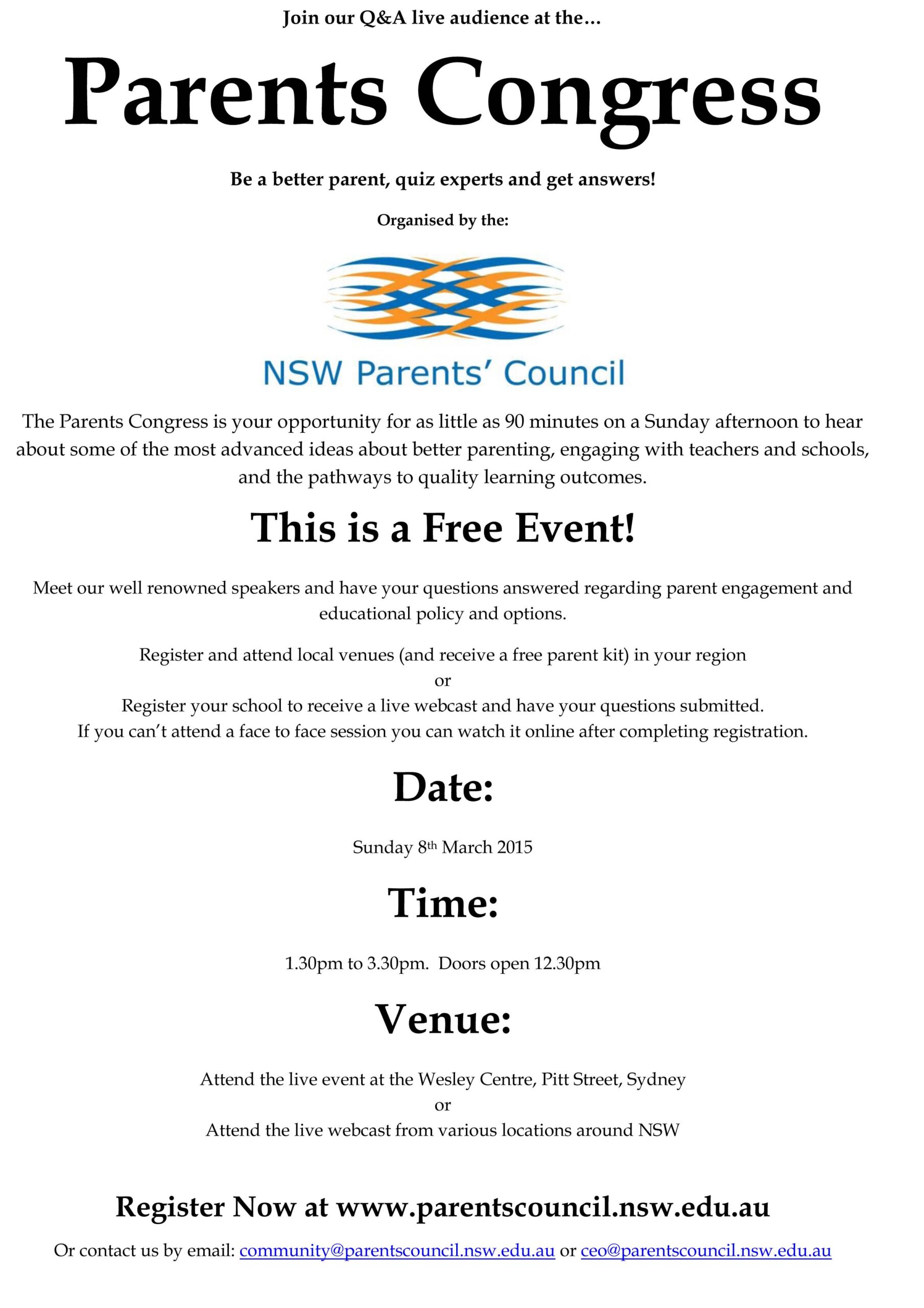
Parents’ Congress to tackle the issue of cyberbullying
OHPI has taken a lead role in fighting cyberbullying, particularly among children. In 2012, we actively participated in the Coalition’s Review of Online Safety for Children. Some of our recommendations were eventually included in the Enhanced Online Safety for Children Bill that will come up for consideration before the Senate next month. The submission can…
-

Hate among friends
Most of the online hate OHPI reports on is public content. The reason for this is that public content is able to go viral and can usually do far more harm than content shared between people privately or only between friends. It is because of the greater risk from public content that OHPI usually focuses…