
We send our heartfelt condolences to the Muslim community after the deadly shooting at the Islamic Center of San Diego, California. News sources are reporting that two teenage gunmen opened fire on civilians at the Mosque in what appears to be an act of anti-Muslim hate. Three people at the mosque were killed, including a security guard. The two suspected gunmen were later found dead from self-inflicted gunshot wounds.
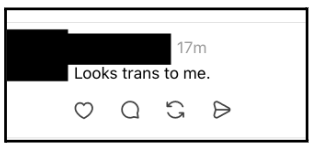
The Online Hate Prevention Institute has been monitoring online responses to the attack. While there is significant empathy and support for the Muslim community who have been targeted by this attack, there was also glorification of the attack, false flag claims, and general Islamophobia. We also found hate directed against other communities. Some of the responses blamed Jews or Israel for the attack, others claimed the shooters were transgender.
This report examines the various narratives of hate found online in the immediate wake of the attack and provides examples of this content. The data has been gathered across 12 social media platforms, both mainstream platforms and more fringe platforms focused on minimal moderation.
As with previous attacks which we have written about, conspiracy theories once again sprung up almost immediately. Some comments also linked the attack to a climate of intolerance towards Muslims, promoted by statements made by a number of politicians and commentators.
Social media platforms were also criticised for insufficient action on anti-Muslim hate. Some suggested this was a double standard compared to antisemitism. Our work demonstrates this is not the case and antisemitism fairs no better. While levels of online hate have continued to rise, some companies have wound back efforts used to address it. This affects everyone, but communities subjected to racism, religious vilification, xenophobia, and bigotry in particular.
We need to see greater care in the words used by political leaders and other public figures. We need to see greater efforts against hate by social media platforms. Most importantly, we need unity against all forms of hate and a recognition of the harm it does to the fabric of our societies.
Let’s stand together, united against hate.

The Data
While we collected many kinds of hate and extremism in the comments we gathered, here are the 4 we encountered most frequently. The report discusses others as well.

The report examines false flag claims like the following:


Glorification of violence like the following:


The image above that the poster used is of Baruch Goldstein a Jewish terrorist who attacked a mosque in 1994. He was beaten to death at the scene by the survivors of the attack. The text reflects a comment made in the same forum in response to a post by someone who was about to attack a synagogue, also near San Diego, in 2019.
Islamophobia like the following:


Blaming Jews and feeding anti-Jewish hostility like the following:


Anti-LGBTIQ+ content like the following:

More examples and discussion can be seen in the full report.
Support our work
The Online Hate Prevention Institute is an Australian charity that has played a leading global role in monitoring and combating all forms of online hate since 2012. Our work is supported by public donations. You can donate here to support this vital work.